Education2030 Design for Global Goals
The Education2030 Design for Global Goals program is an innovative initiative aimed at preparing the next generation to address sustainability challenges by integrating the United Nations Sustainable Development Goals (SDGs) into education. Aligned with UNESCO's Education 2030 vision, the program empowers teachers with resources and tools to inspire students through engaging, hands-on learning experiences that connect them to real-world issues.
Scope
Curriculum Development, Teacher Development, Design Workshop
Role
Lead Learning Designer
Client
Luleburgaz Municipality
Year
2024
Overview
Education 2030 is a comprehensive educational ecosystem I developed to transform students from passive "information receivers" into "impact-driven designers." This project was officially recognized and launched by UNESCO as an "SDG 4: Quality Education - Good Example," setting an international benchmark for excellence. Through this model, I empowered youth to tackle complex global challenges using the HCD+ (Humanity-Centered Design) methodology, enabling them to redesign the education system for the needs of the 21st century.
Problem
The Compliance Gap & Static Learning
I have observed that traditional education systems continue to operate on an "obedience and memorisation" model inherited from the Industrial Revolution. This approach is increasingly incompatible with the vision established at the 2015 World Education Forum, where UNESCO's Education 2030 vision was defined to address critical global shifts. I have identified three major systemic failures:
The Anthropocene Crisis: We have entered the "Human Age," where human activity has caused irreversible damage to our planet's ecosystem. I have seen that traditional education is failing to equip young people with the adaptive skills needed to tackle urgent global issues like climate change, deepening inequality, and persistent poverty.
The Compliance Trap: I realised that current education prepares students for standardised tests but leaves them ill-equipped to handle uncertainty or make ethical decisions. Knowledge is everywhere, but the wisdom (hikmet) required to turn that knowledge into social benefit is often missing from the classroom.
The Relevance Gap: There is a disconnect between adults' understanding of the world and the rapidly changing reality faced by youth. This disconnect prevents the system from addressing modern crises—such as climate change and poverty—leaving young people feeling vulnerable and powerless against the future.
Process
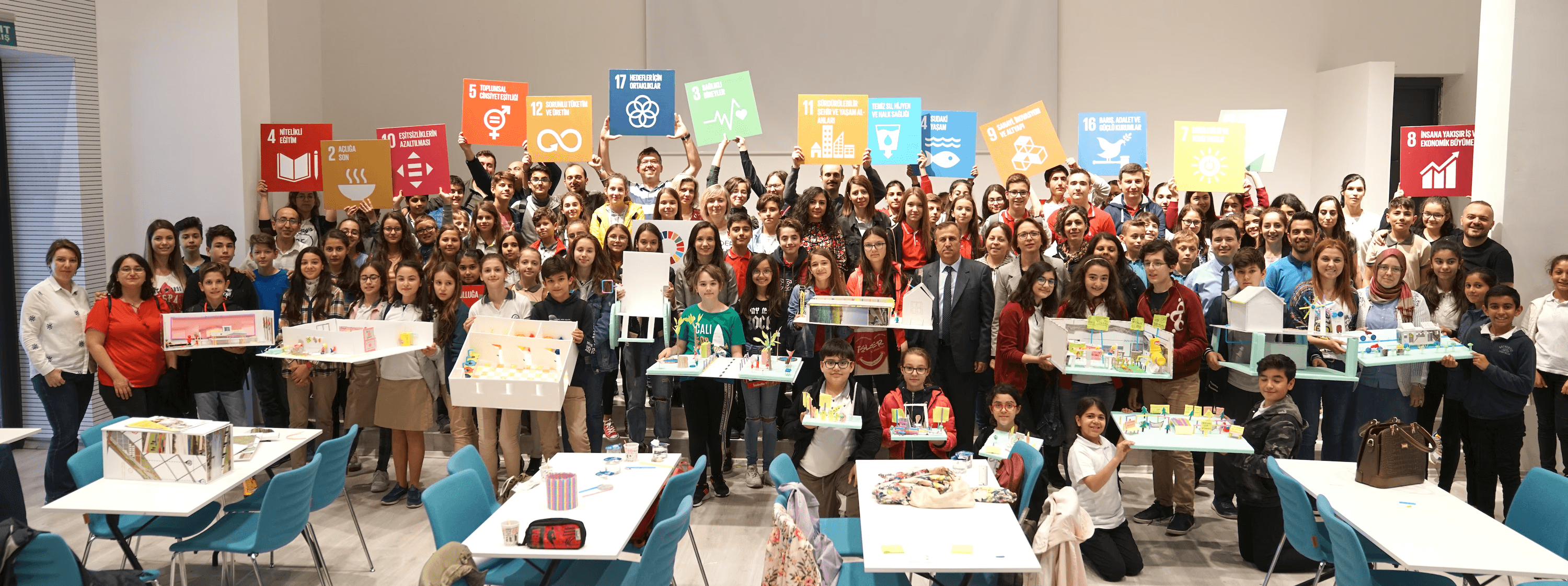
Co-Creating with Teachers and Local Government
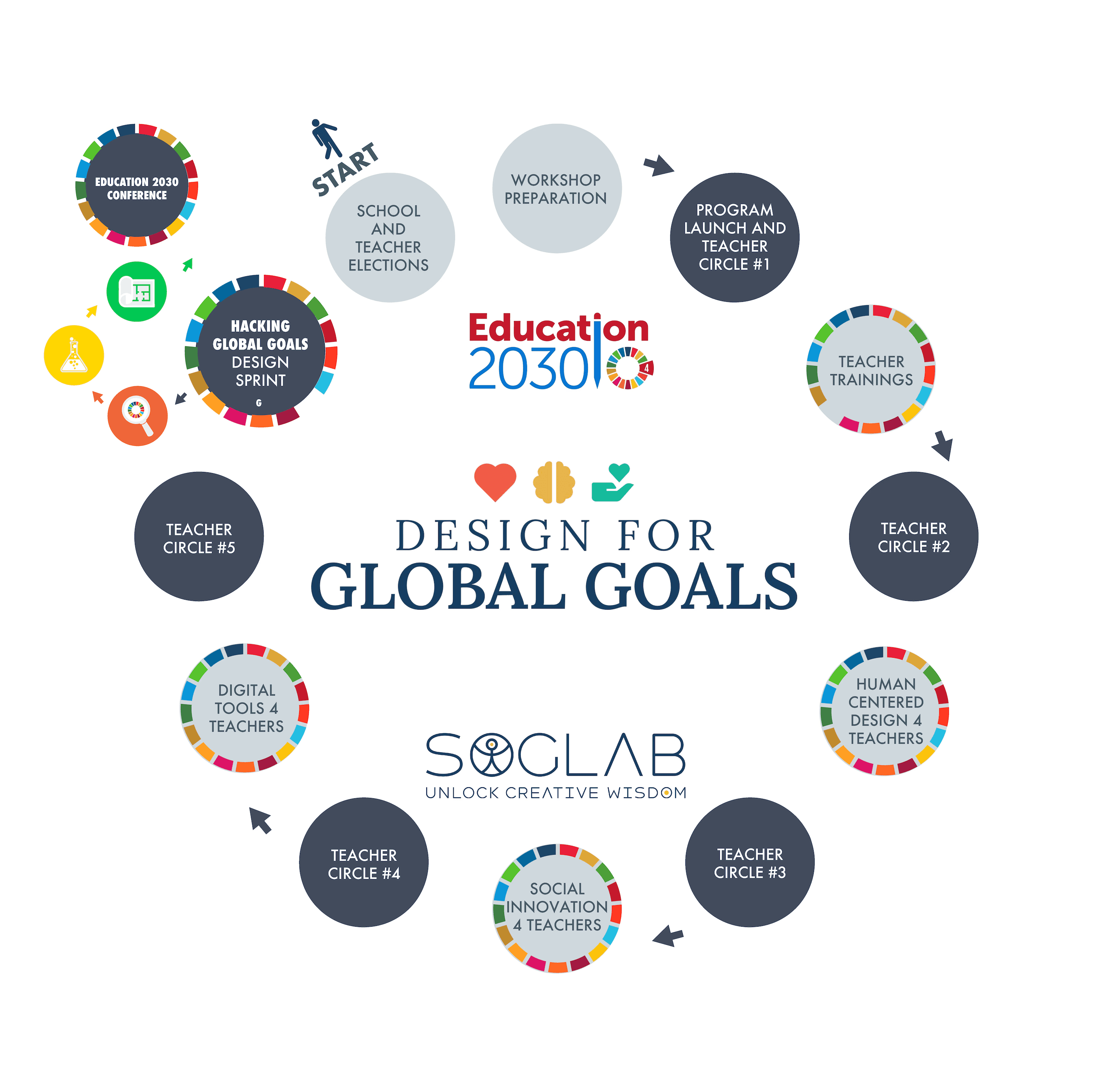
To lead this systemic transformation, I designed a 4-month intensive program fully aligned with the UNESCO Education 2030 Framework. I structured the journey into two strategic phases:
Phase A: Teacher Development (The Scale Pillar): In this phase, my primary strategic pillar was to transform educators into "Change Agents." Through this approach, I managed to scale our impact and reach a significantly larger number of students across diverse learning environments. I shifted the teacher's role from being a source of information to becoming a catalyst for social innovation.
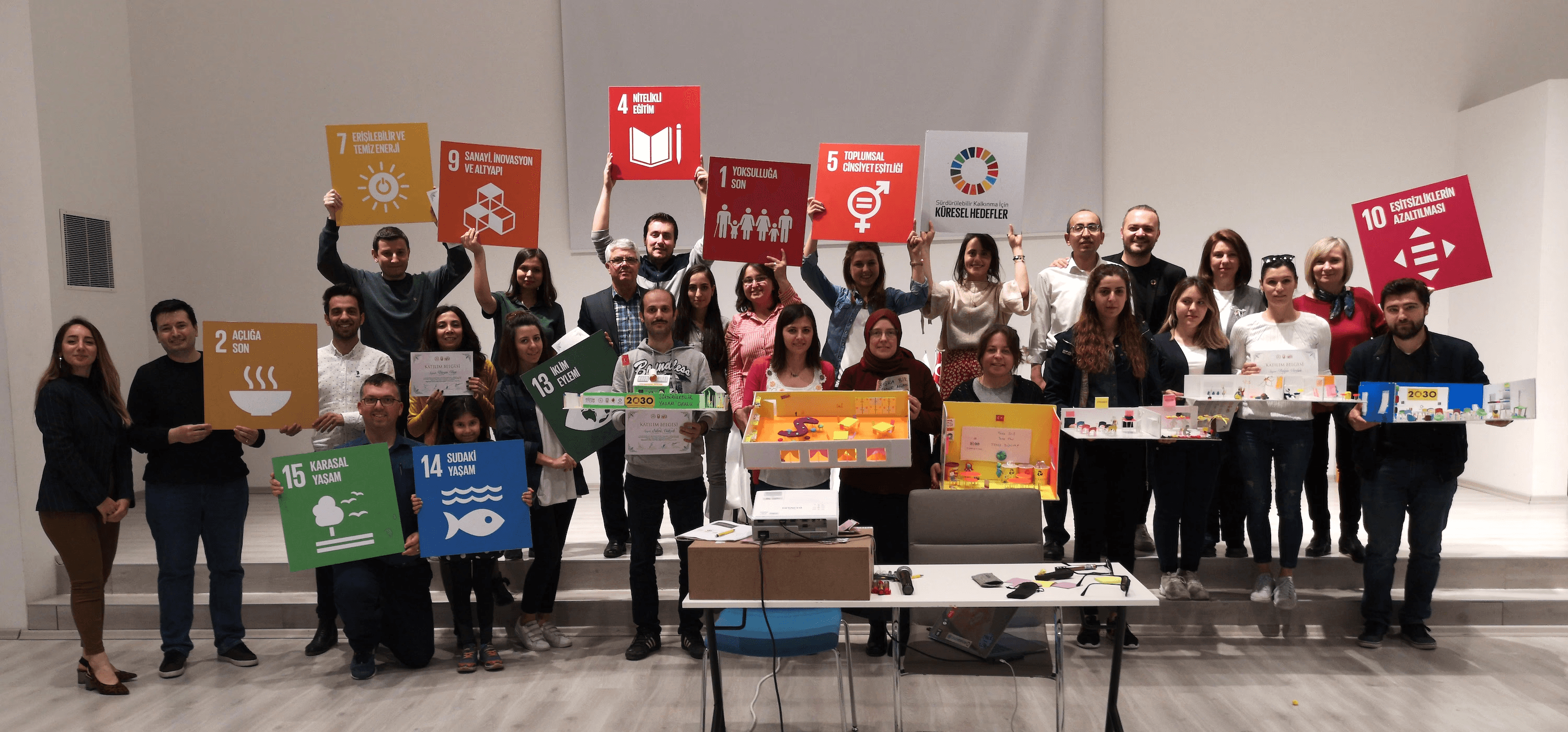
Phase B: District-Wide Implementation (The Impact Pillar): In the second phase, I facilitated the transition of these educators into their roles as "Facilitators." I expanded the program district-wide across all schools to cultivate a new generation of students capable of achieving the Sustainable Development Goals. I focused on equipping them with specific skills such as critical thinking, systems design, and ethics to turn global goals into local actions.
I constructed a 4-stage journey where both teachers and students are positioned as "Wise ChangeMakers":
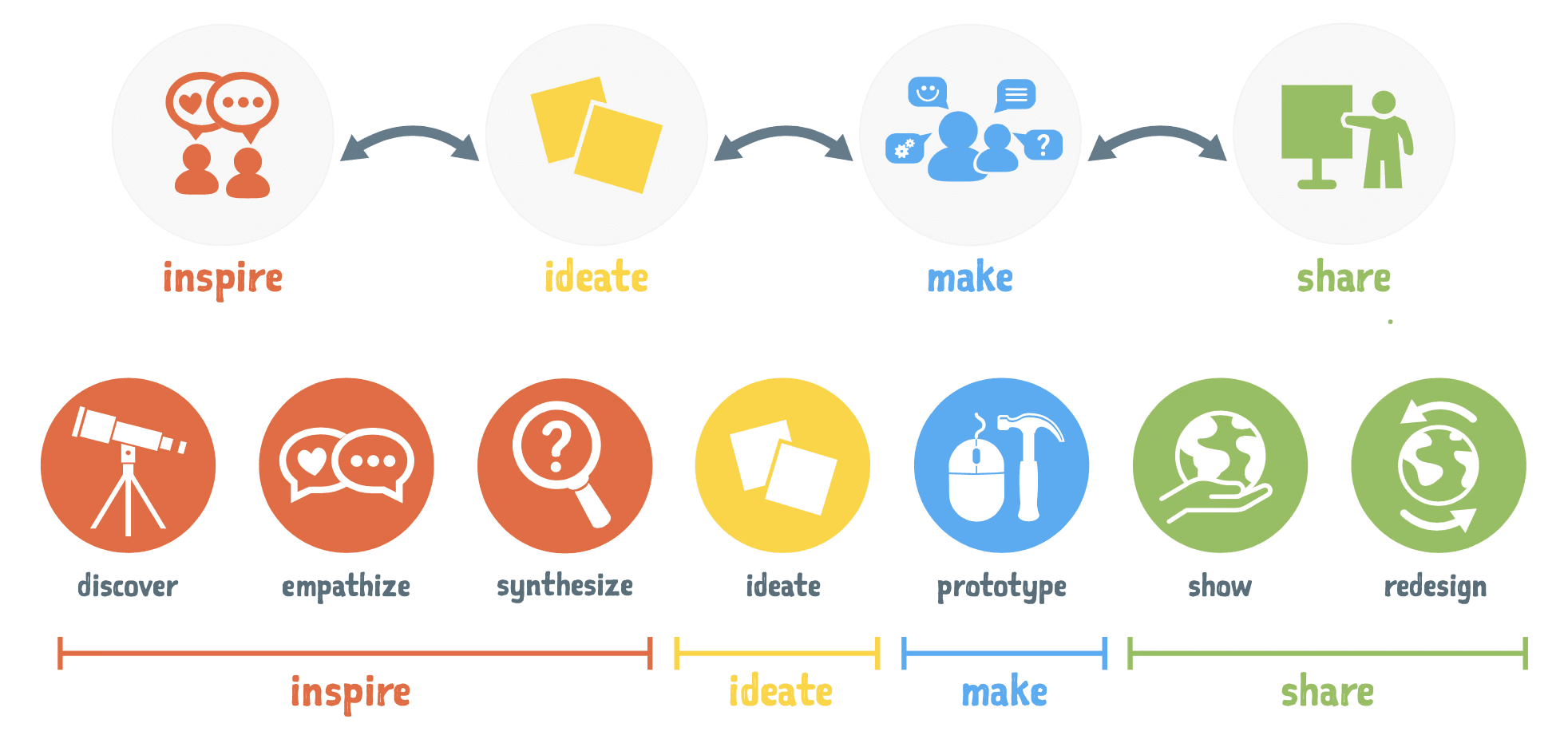
Phase 1: Inspire: In this initial stage, I emphasise the importance of Universal Wisdom to foster a holistic worldview among students. I integrate knowledge from various disciplines—such as history, philosophy, and science—to encourage critical thinking and a deep providing understanding of global issues. I ensure students move beyond empathy to a systemic analysis of local community problems.
Phase 2: Ideate: In this empowerment phase, I teach Humanity-Centered Design principles, enabling teachers to evolve into "Design Facilitators" and students to become active problem-solvers. We analyse social problems within the SDG framework at both micro and macro levels; I shift the focus from "Where is the problem?" to "Where is the system breaking?"
Phase 3: Make: In this activation stage, I provide training for students in digital tools essential for social innovation, including prototyping and design applications. Through hands-on projects, I enable participants to leverage these tools to transform their human-centered designs into actionable social interventions that address root causes.
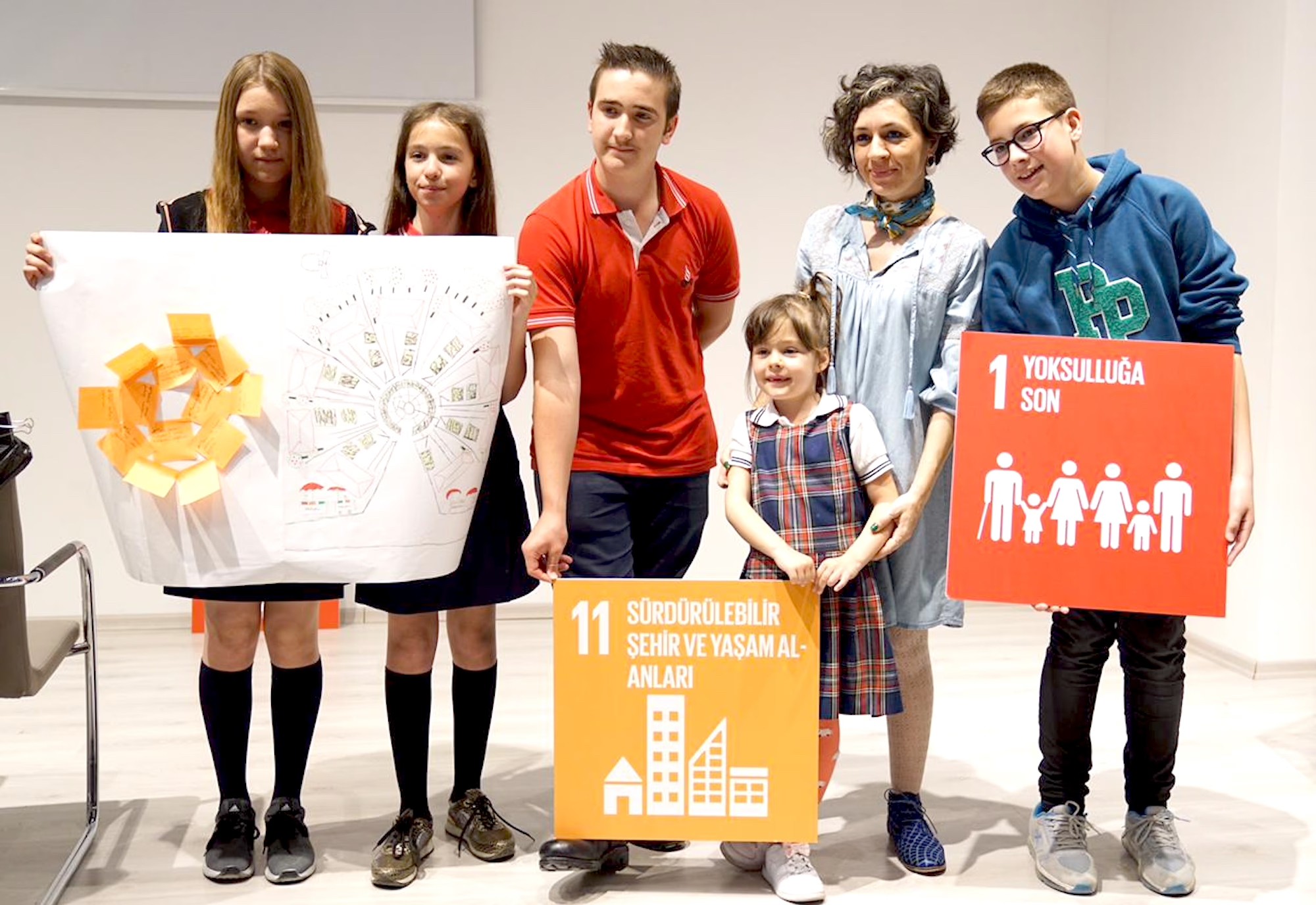
Phase 4: Share: My objective is to create tech-savvy changemakers who can utilise digital resources to amplify their impact. On the final day, I organised a District-Wide Innovation Fair where student teams shared their solution ideas with a large audience from across the district. I ensured students collected real-world feedback and concluded the process by reporting these solutions according to UNESCO’s impact criteria.
Solutions
Being A Glocal Citizen: Think Globally Act Locally
My primary priority was to produce a scalable and integrable educational model for local schools that directly facilitates the achievement of the targets set in the UNESCO Education 2030 Framework. I named this model "Education2030 Design for Global Goals." This model positions education as a "field of application" for the SDGs.
Key Social Innovation Focus Areas:
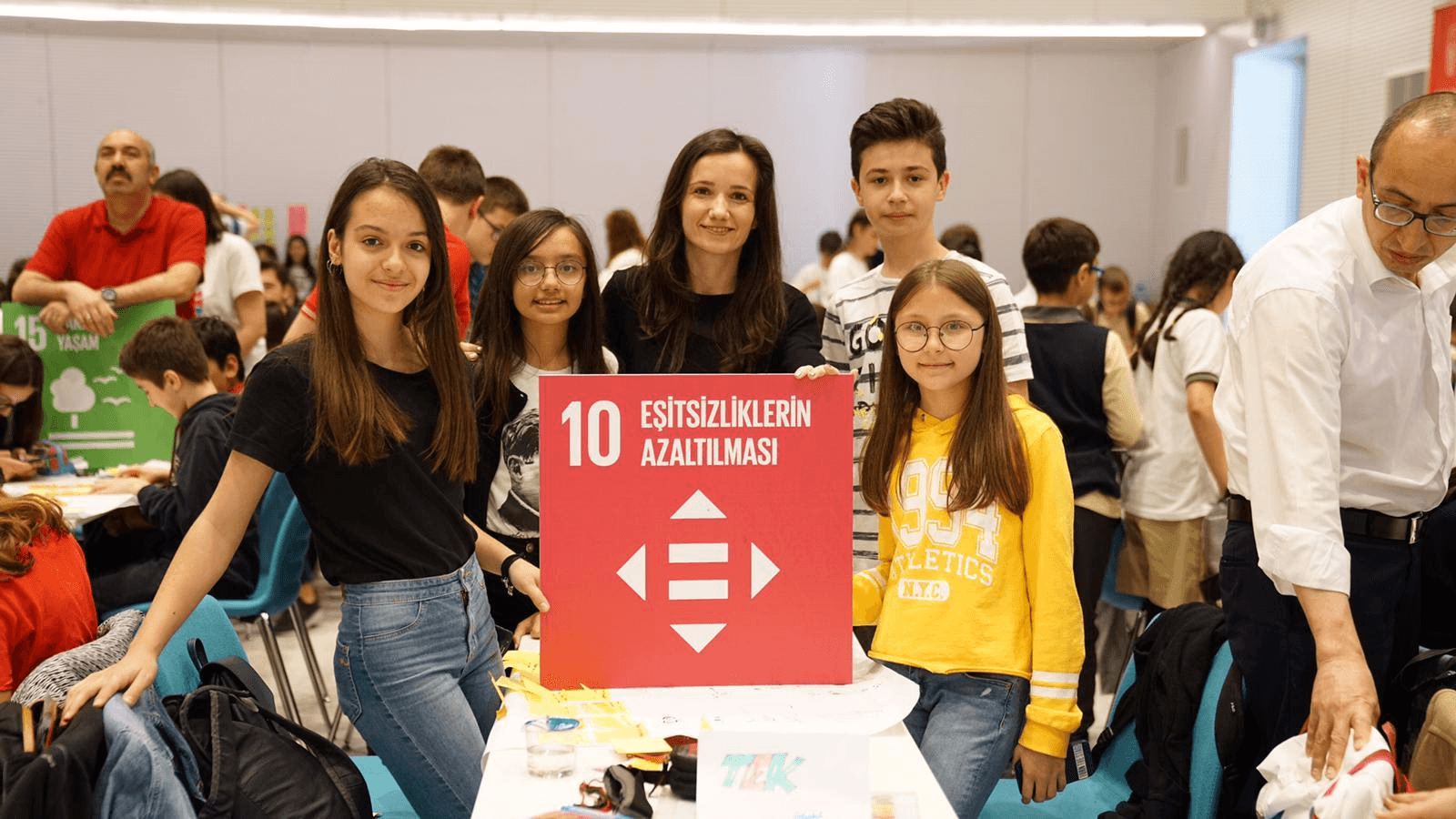
Comprehensive Social Entrepreneurship Kits: I developed specialized toolkits for both teachers and youth to launch social enterprises within their own schools. These kits turn classrooms into impact labs by providing educators with pedagogical frameworks and students with practical tools to design and prototype social ventures.
Community Learning Hubs: In collaboration with the local municipality, I transformed public community centers into Innovation Labs. These spaces transcend school boundaries, integrating with local governments to solve real-world district challenges.
Integrated Classroom Activities: Beyond intensive labs, I designed teacher-led classroom activities that can be seamlessly integrated into the traditional curriculum. By empowering teachers to lead these sessions, I multiplied the program’s impact, making humanity-centered design a daily practice.
SDG 4.7 Centered Curriculum: I specifically focused on the targets within SDG 4.7 (Education for Sustainable Development). I designed a curriculum and learning experience that was recognized as an "SDG 4 Good Example" by UNESCO, tailored to provide students with problem-solving skills and an ethical framework.
Key Design Elements Included:
Empowered Educator Development: I focused on equipping educators with the skills necessary to implement innovative teaching methods, transforming them into mentors who guide students toward responsible global citizenship.
Humanity-Centered & Augmented Pedagogy: I positioned technology as tools for Augmented Learning to amplify human creativity and ethical judgment.
Collaborative & Interdisciplinary Learning: I established an environment where students work in teams across subjects and grade levels. By partnering with local organisations, I provided authentic problem-solving experiences.
Inclusive Feedback Loops: I established a communication model that broke down hierarchies, centering the voices of students from disadvantaged regions and local stakeholders.
Results
A Global Benchmark in Education
Through the Education 2030 project, I provided concrete proof of how education can be transformed into a vehicle for global sustainability:
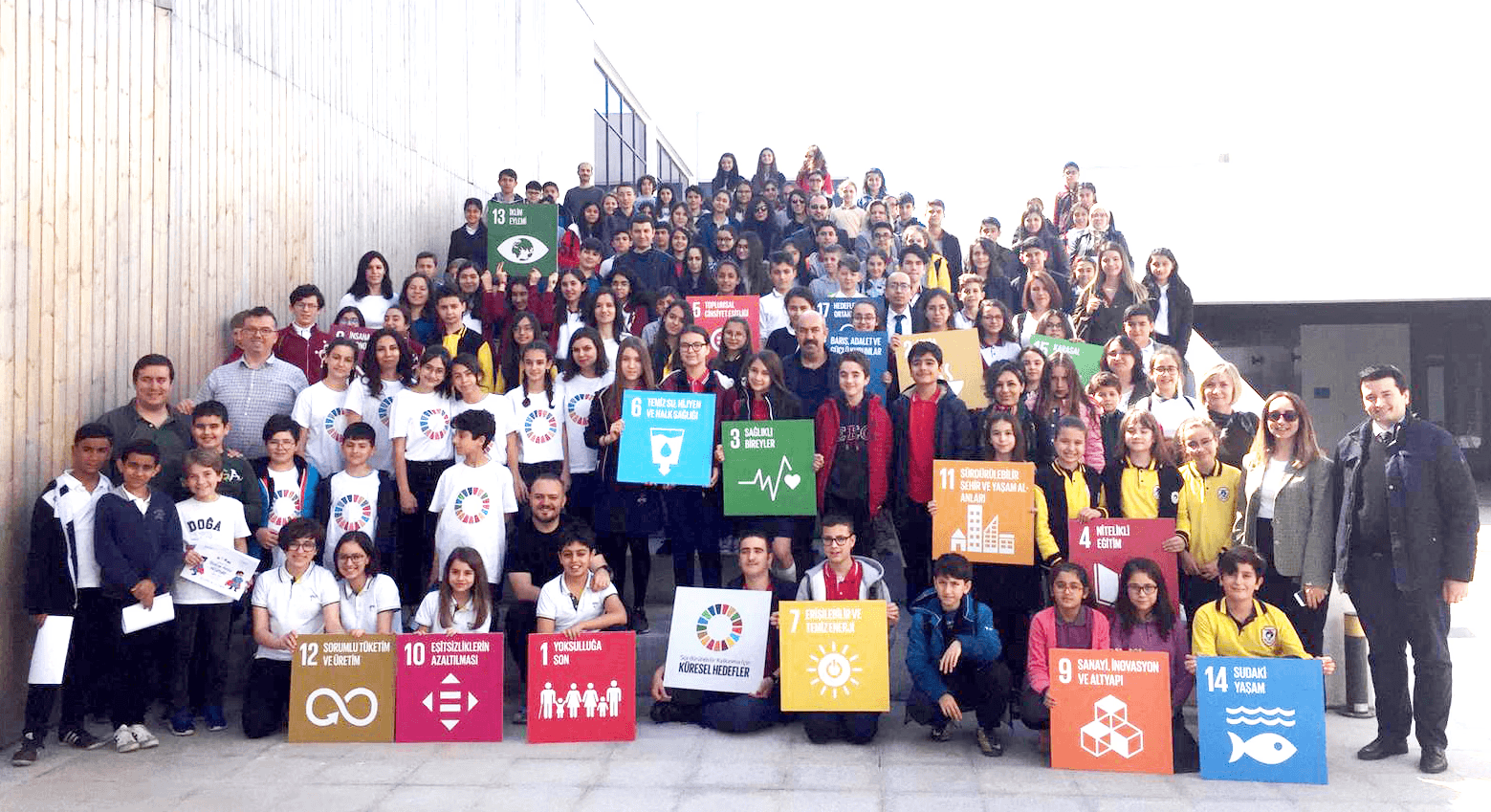
UNESCO Recognition: My project was officially published in the UNESCO SDG4 Knowledge Hub, recognized as one of the best educational practices worldwide for building 21st-century skills.
Systemic Empowerment: I enabled thousands of students and hundreds of teachers to adopt the "learning companionship" model, initiating a movement of "Wise ChangeMakers" in their schools.
Scalable Model: I demonstrated that this model, which started at the local level, is adaptable across various socio-economic dynamics and provided a clear path for global replication.
Final Reflection: Humanising Education
The world requires the depth of wisdom. With my Education2030 Design for Global Goals project, I aim to bridge the gap between traditional education and future-ready skills, aligning the system with UNESCO's vision of inclusive lifelong learning.
My goal is to create a new generation of "Glocal" youth who can "Think Globally and Act Locally," spreading hope and inspiring action in their communities. By implementing this model, I aim to cultivate young leaders who are socially and emotionally resilient, technologically competent, and grounded in reality. I believe education must be redesigned to strengthen the human spirit and social justice.