AI-Powered Humanity-Centered Design Hackathon
This project introduces the AI-Powered Humanity-Centered Design (HCD+) methodology, which bridges the workforce with artificial intelligence on an ethical foundation. By synthesizing Google’s Responsible AI principles with social impact frameworks, I led 30 fellows in developing 6 functional and ethical AI prototypes aimed at Sustainable Development Goals in the UK, all without being hindered by coding barriers.
Scope
Workforce Development, Responsible AI, Community Empowerment
Role
Google Community AI Fellow
Client
Google X RSA
Year
2025
Overview
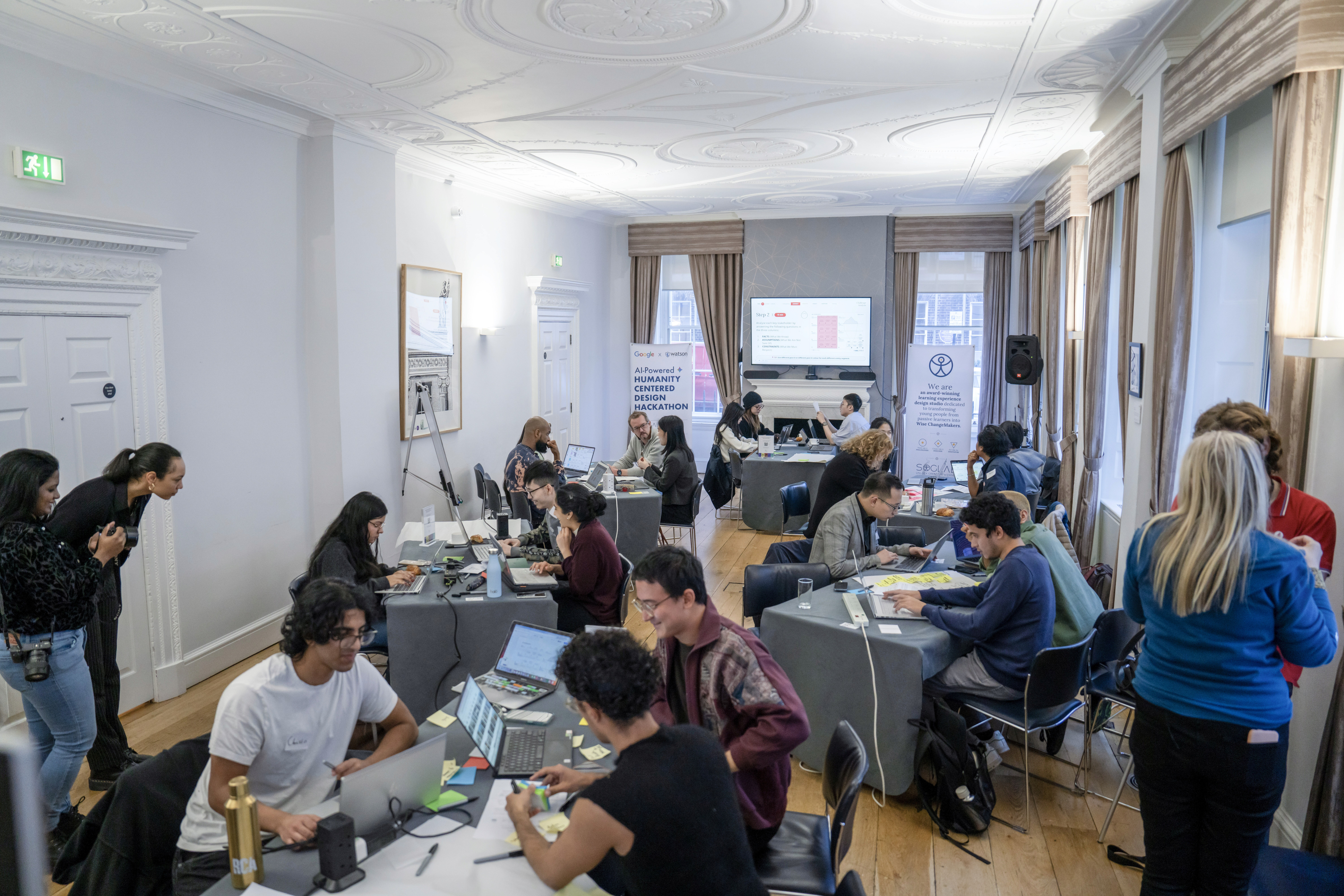
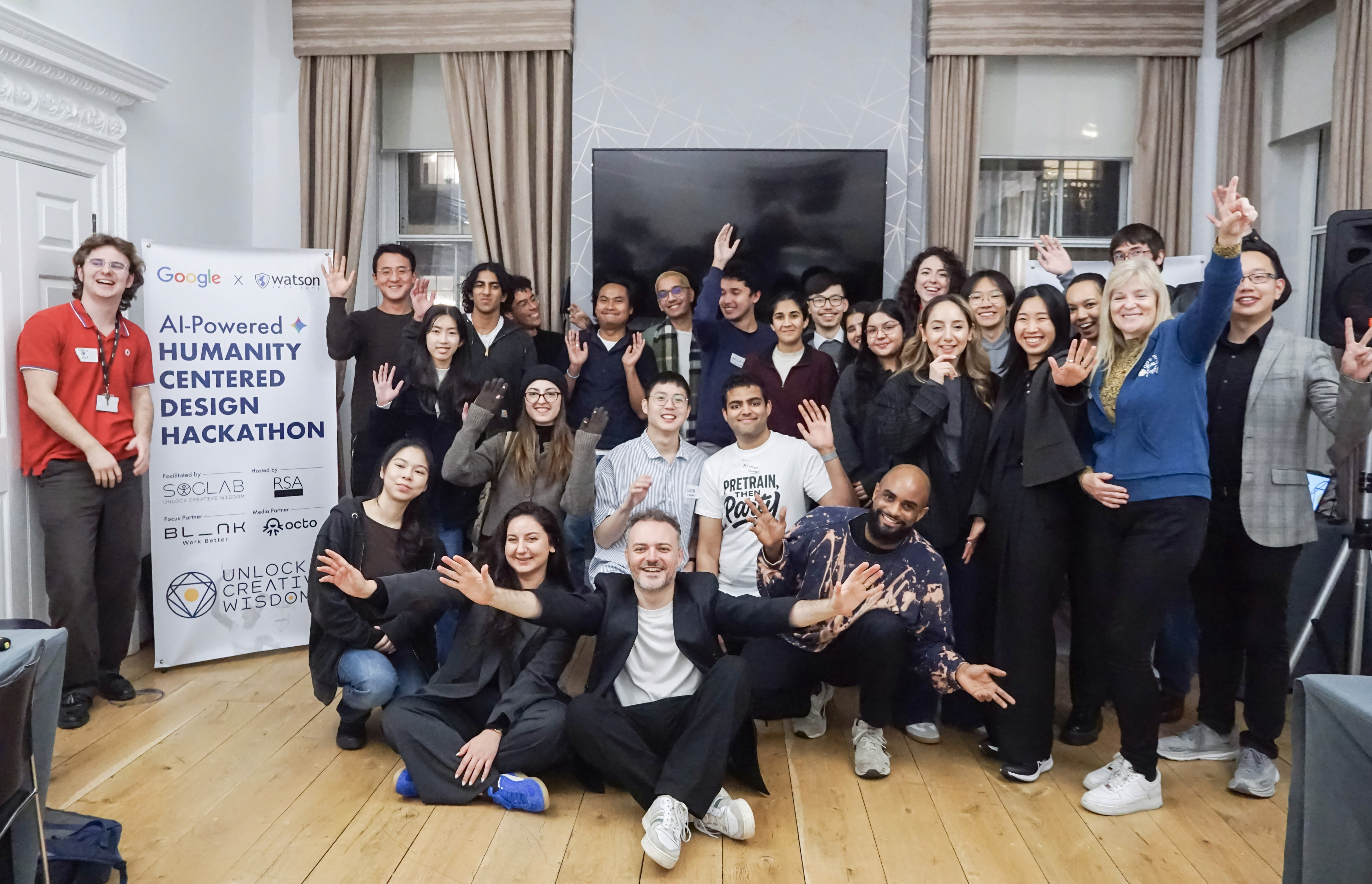
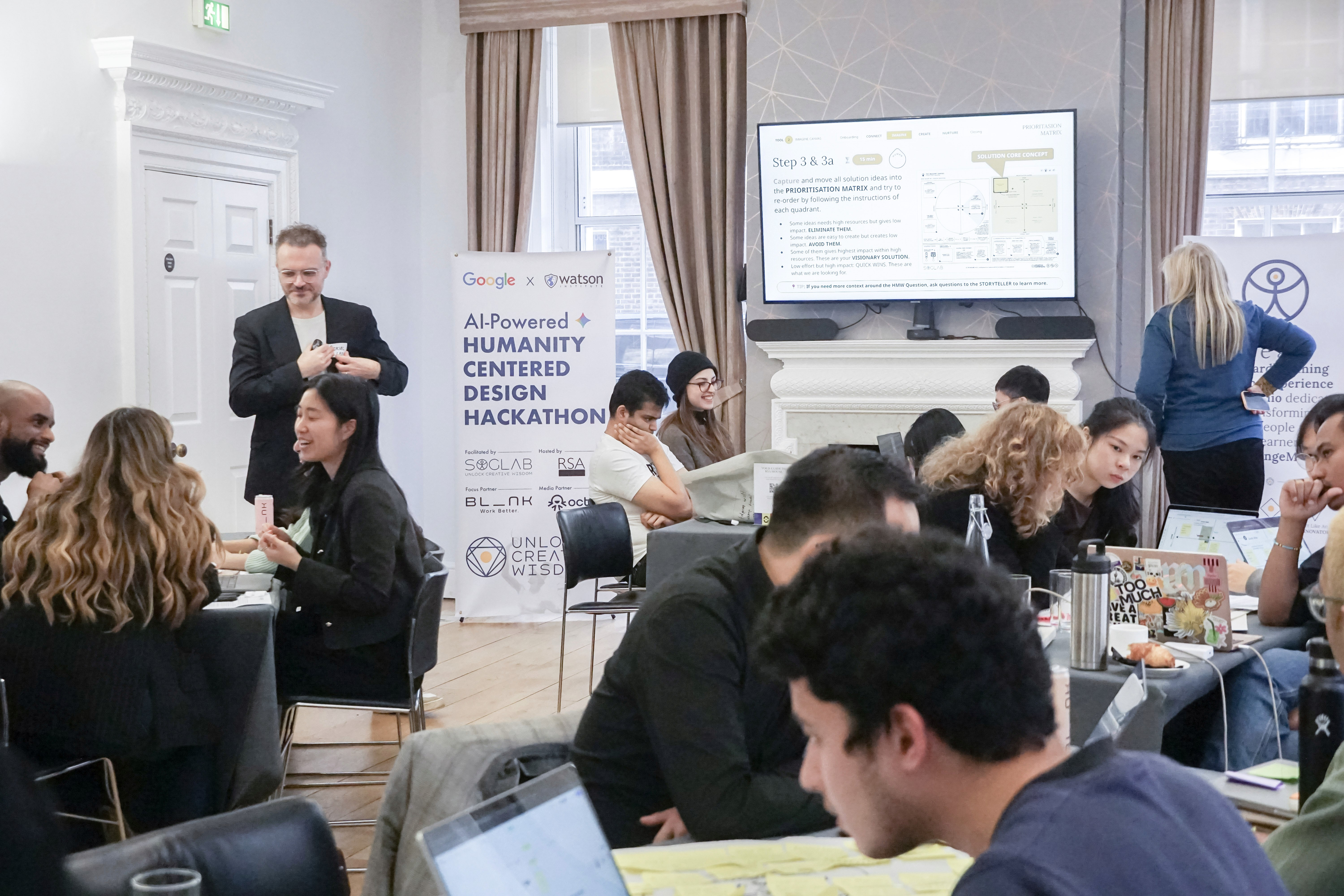
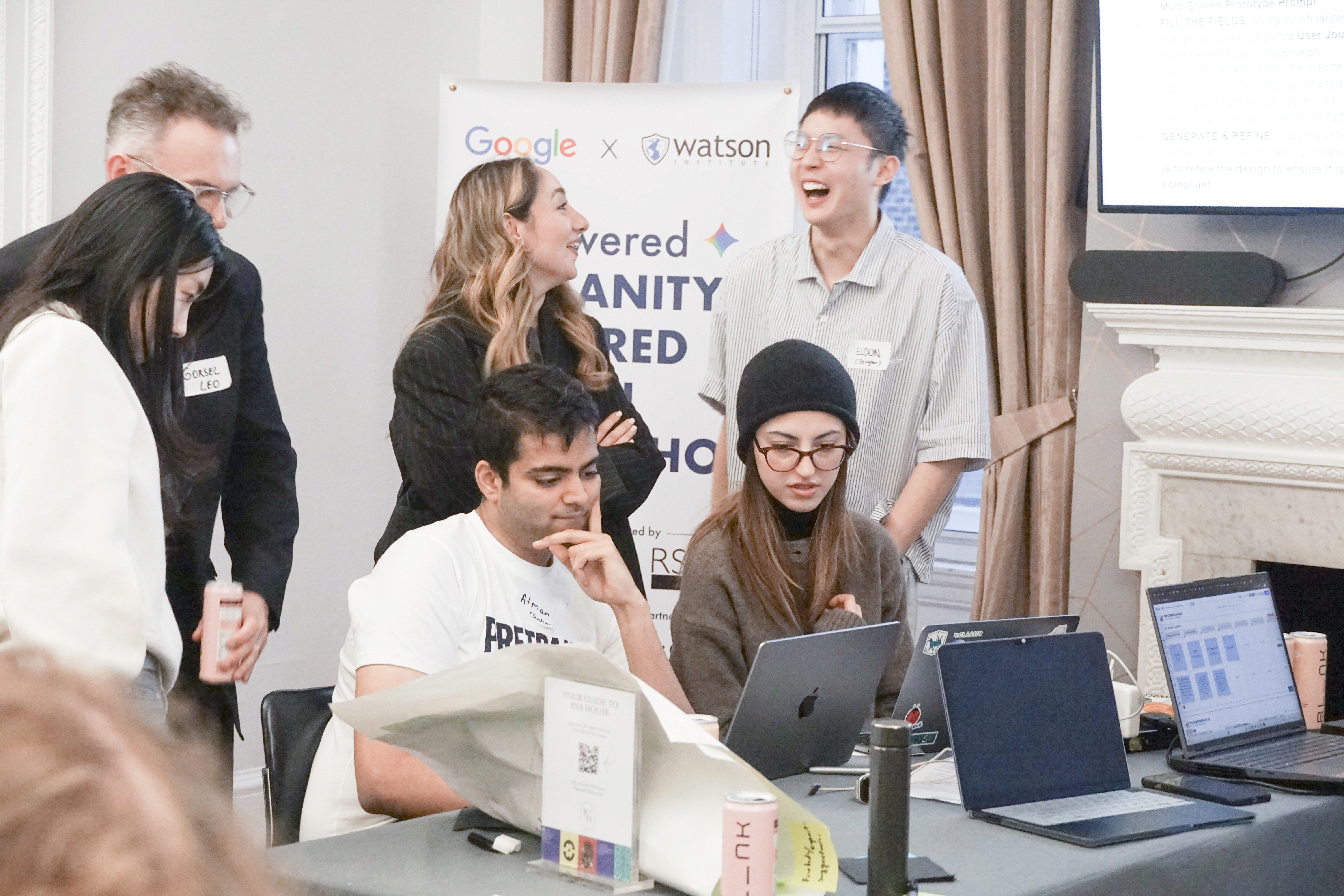
In an era where AI is redefining entry-level digital roles, as a "Google Data Center Community AI Fellow", I engineered the Google's Fellowship Basecamp as a strategic intervention in workforce development. I designed this 8-hour intensive Hackathon as a high-tempo creative sprint, specifically built to transition high-potential the Royal Society of Arts Fellows from passive AI users into strategic, ethical architects of the future. Hosted at the historic RSA London, the program synthesises my globally recognized social impact methodology with Google’s Responsible AI Principles to take a stand against the global "Wisdom Gap." By empowering 30 diverse talents to build functional, impact-driven prototypes using Gemini and Google AI Studio, I established a proven, scalable learning model that demonstrates how technology can be humanised through "Wise Creativity."
Problem
The AI Skills Gap & Market-Driven Creativity
As AI automates entry-level roles, the traditional "Junior" career ladder is rapidly disappearing. This shift has created a significant Skills Gap, where the workforce struggles to adapt to the new "Augmented Labor" reality.
During my journey as a Google Data Center Community AI Fellow, powered by Watson Institute in partnership with Google, I identified two critical systemic failures:
The Wisdom Gap: As Isaac Asimov, the father of AI ethics, prophetically warned long before the rise of modern AI: "The saddest aspect of life right now is that science gathers knowledge faster than society gathers wisdom." We are currently witnessing this imbalance where technological advancement outpaces our ethical evolution.
Market-Driven Creativity: In the race for AI dominance, the prevailing "Move Fast and Break Things" mantra has led to unethical and non-responsible solutions. This focus prioritises rapid scaling over human well-being, often deepening the very social problems we aim to solve.
Process
Synthesizing Global Best Practices with Responsible AI Framework
To address this, I utilized a core methodology I have refined over years of social impact design—previously recognized as a "Key/Good Example" by international organizations including UNESCO, UNICEF, WISE, and the United Nations.
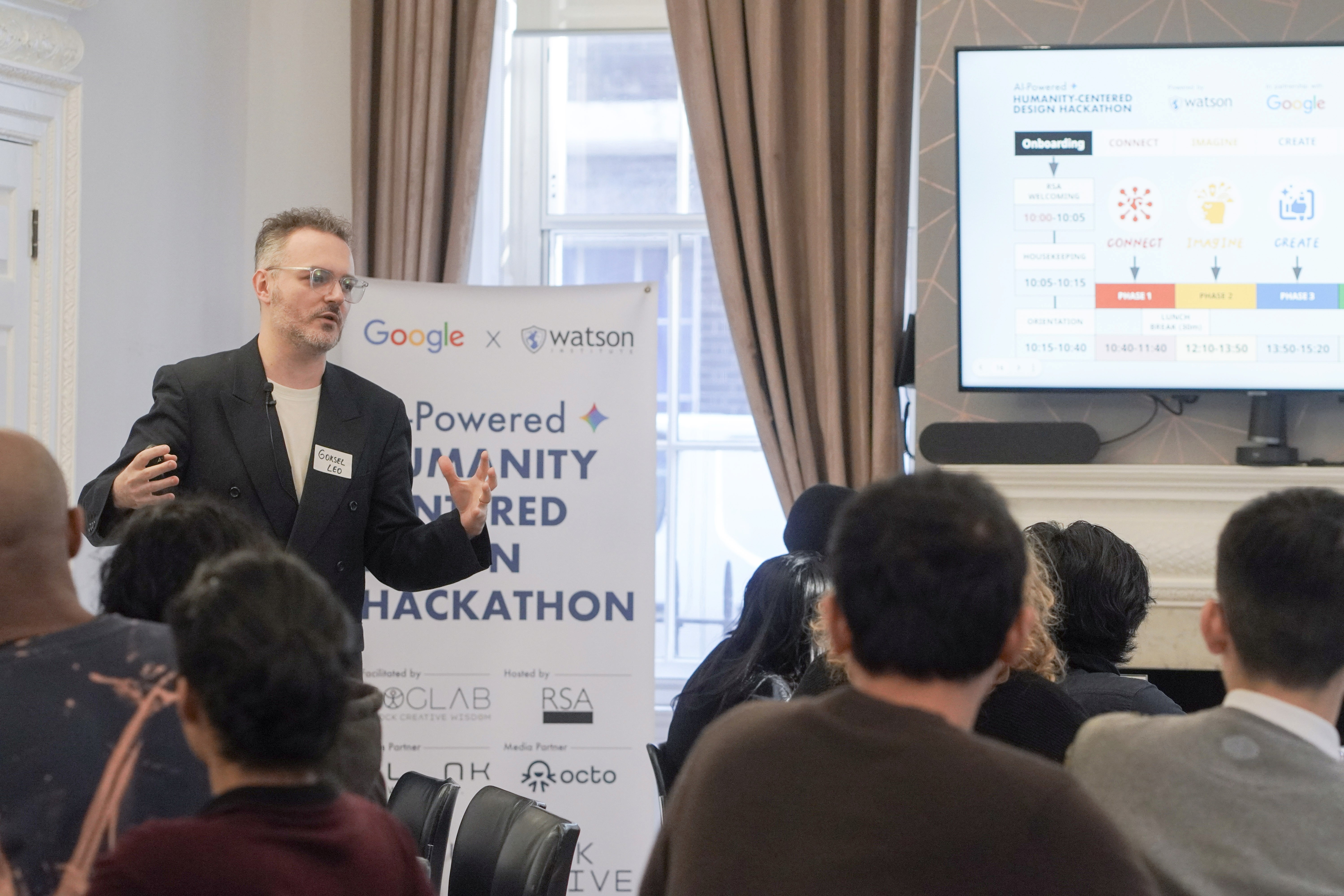
I synthesized this award-winning approach with a Responsible AI Framework, specifically inspired by Google’s leading approach to Responsible AI, to create the HCD+ (Humanity-Centered Design) model. I designed an 8-hour intensive sprint (Hackathon) at the historic the Royal Society of Arts London, structured into four strategic learning phases:
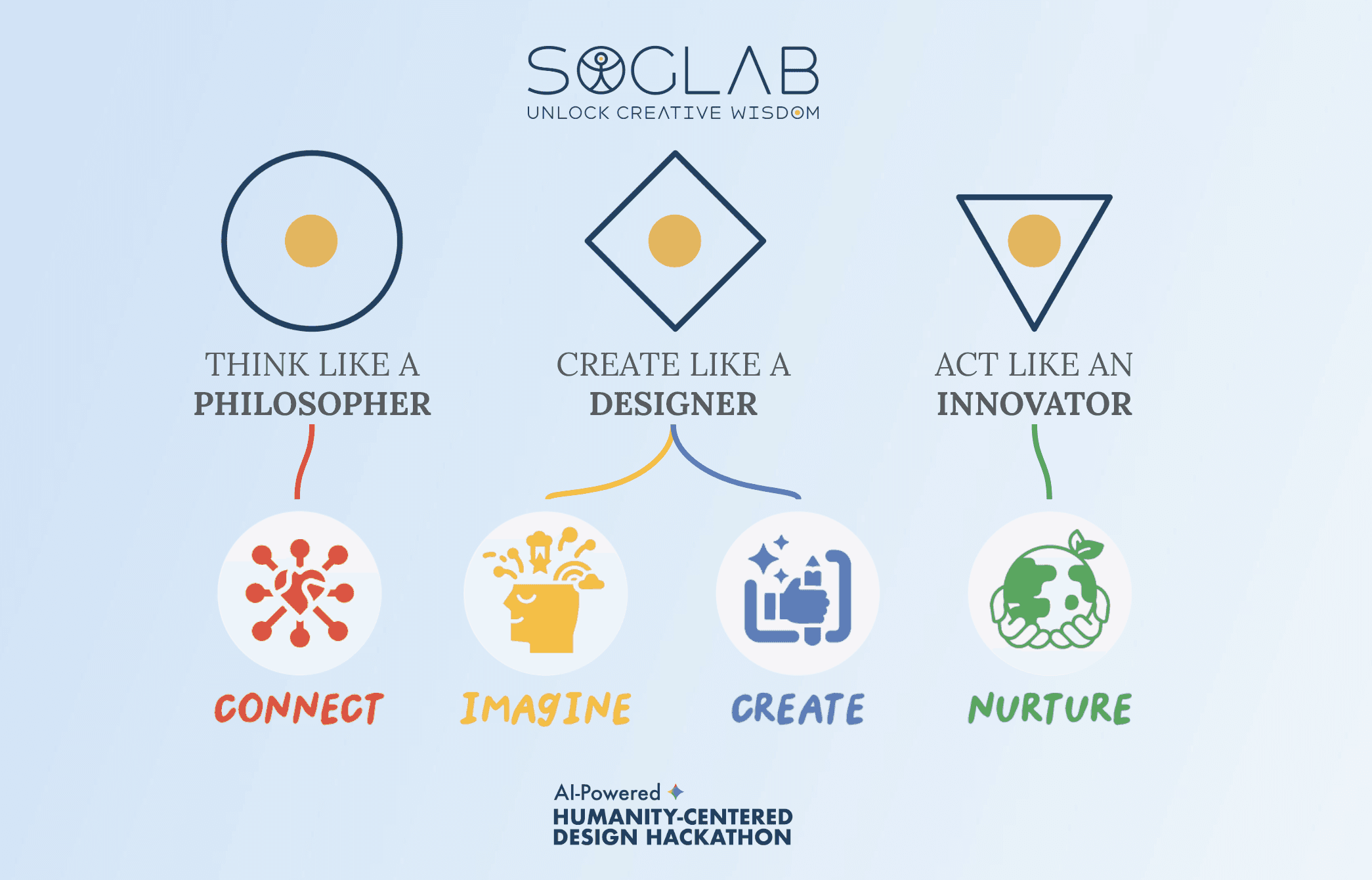
Phase 1: Connect (Think like a Philosopher): Deep-diving into systemic roots and ethical problem framing before touching technology.
Phase 2: Imagine (Create like a Designer): Using Gemini-powered tools to prototype user journeys, removing the "coding barrier" while maintaining a humanity-centered perspective.
Phase 3: Create (Act like an Innovator): Rapid development of functional flows using Google AI Studio.
Phase 4: Nurture (The Pitch): Communicating impact and ethical transparency to a jury.
Solutions
Ethically Designing with AI
The primary solution was the creation of a new kind of Burn-out Resistant & Wise Workforce Development program. This program specifically focuses on cultivating a next-generation workforce that is not only AI-literate but "AI-Ready"—capable of seamlessly collaborating with AI Agents and emerging autonomous systems.
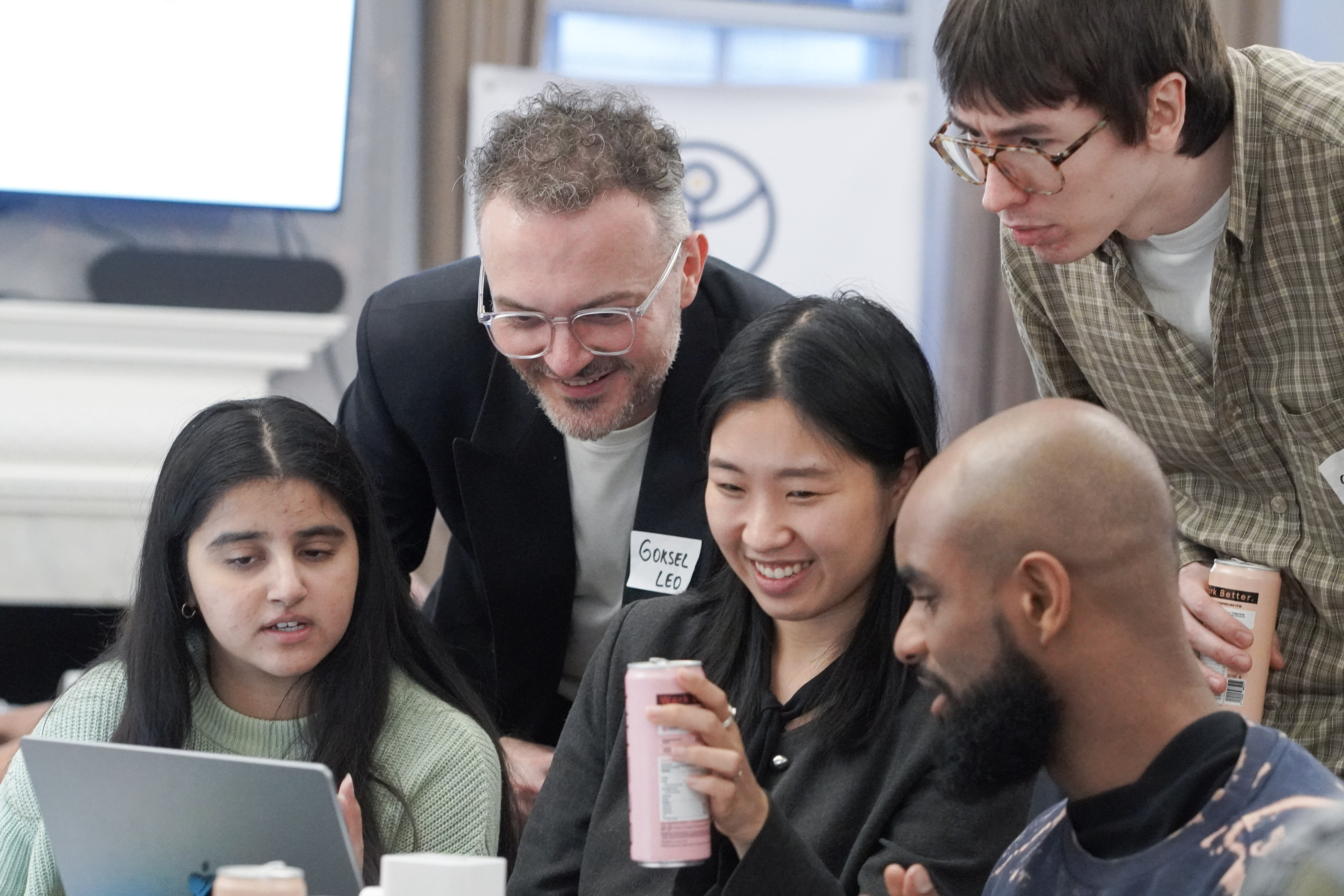
The secondary solution was the implementation of a Structured & Responsible Design Approach. This framework provides a repeatable methodology for developing digital AI solutions, ensuring that every technological intervention is grounded in ethical inquiry and humanity-centered principles. We empowered 30 high-potential Fellows to move beyond "vibe coding" into high-impact digital product development, ensuring they are prepared to lead in an era of augmented labor.
Key Design Elements Included:
Wisdom Audit (PAIR Framework): Integrating patterns from the People + AI Framework, which provides a collection of practical guidance for designing human-centered AI products.
No-Code Empowerment: Transforming technical intimidation into creative leverage, allowing non-technical social entrepreneurs to build functional AI prototypes in hours.
Human-in-the-Loop Architecture: Ensuring every solution implemented transparency, explainability, and user control, teaching fellows how to manage AI agents responsibly.
The 6 Wise ChangeMaker Solutions:
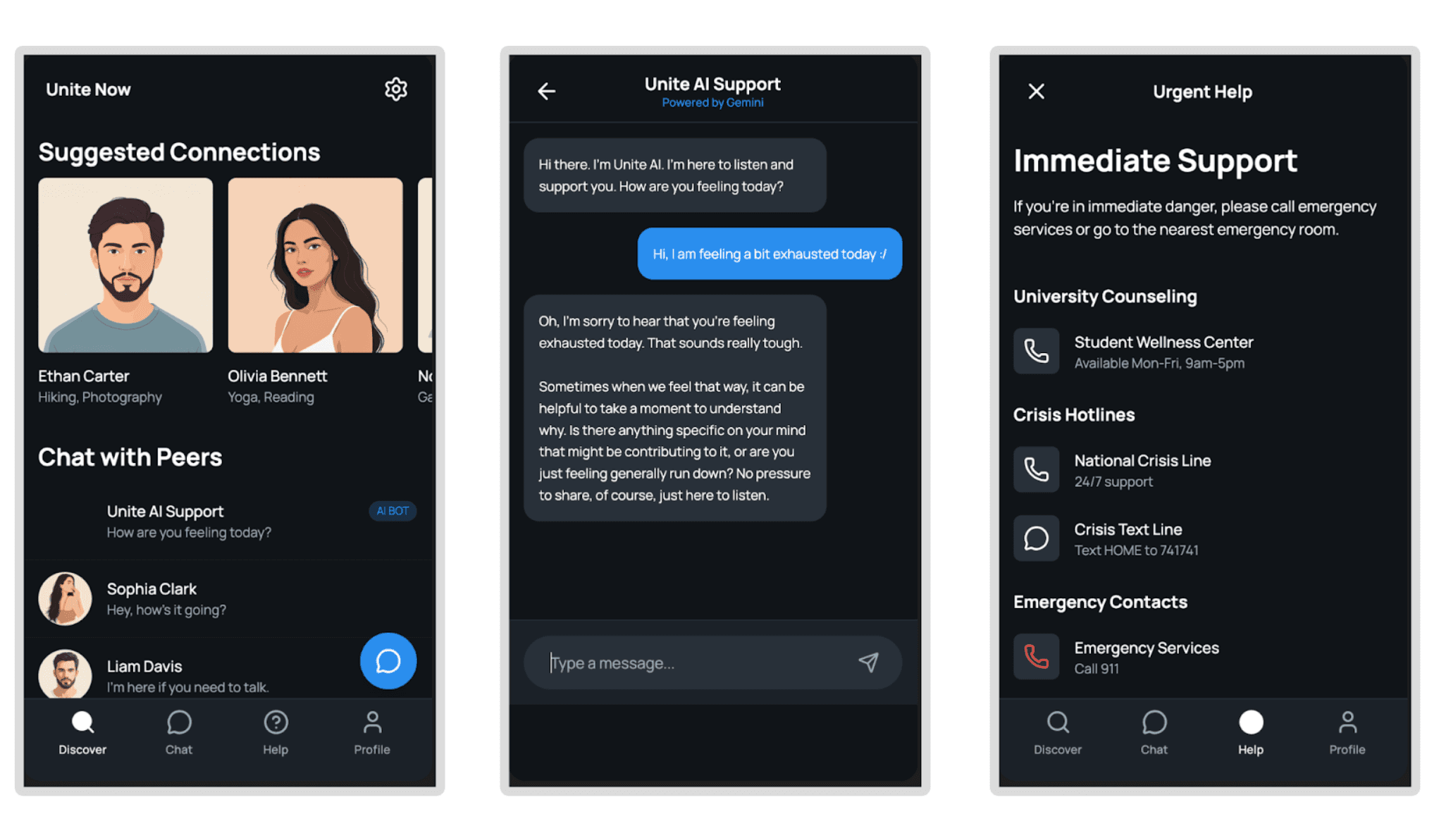
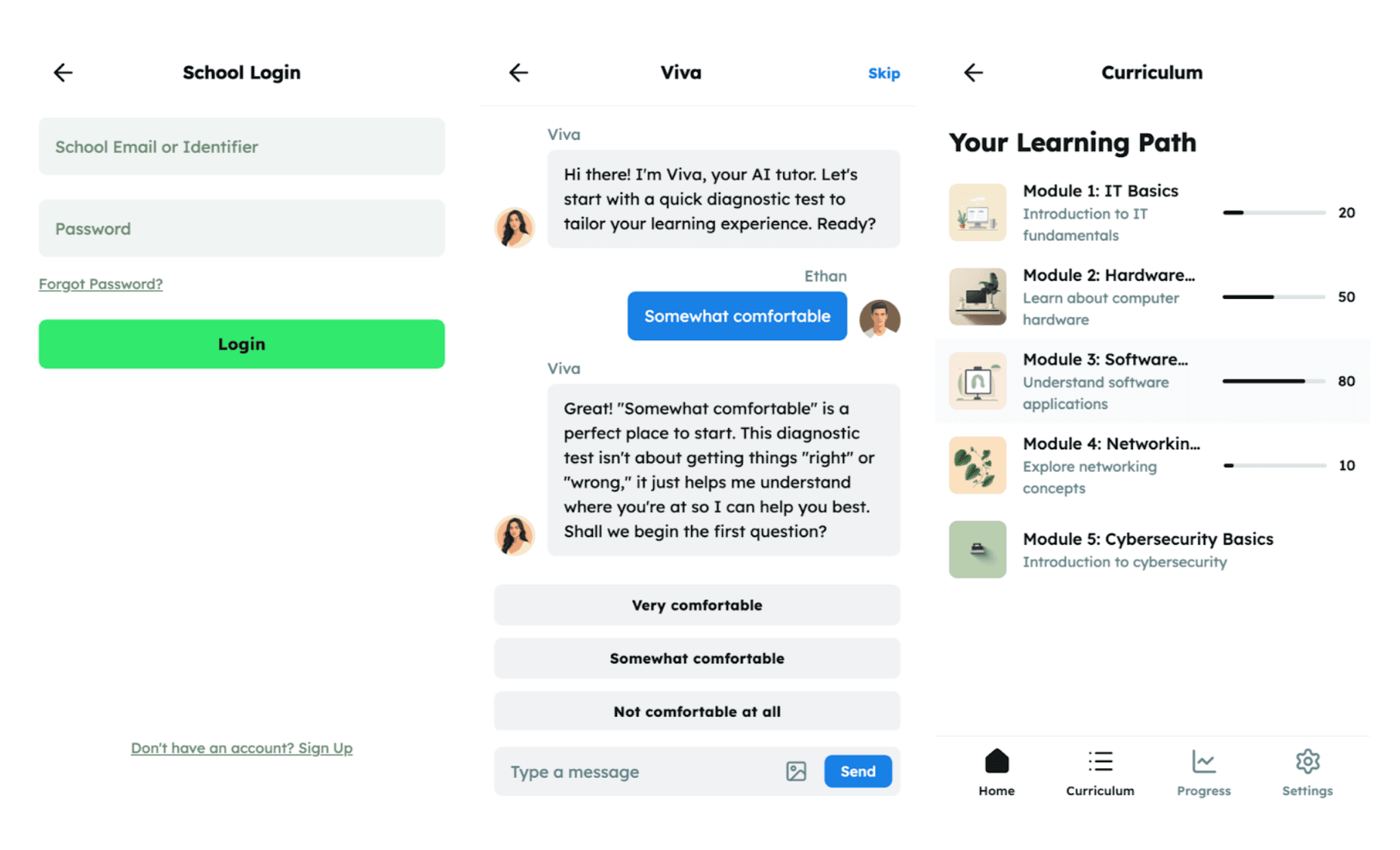
Unite Now (Team SDG 3): A mobile app addressing the university mental health crisis by refuting the "invisible problem" bias. It utilizes an AI-powered Holistic Career Path Generator to match students with "regenerative, low-burn" careers, using local processing to strictly protect data privacy and avoid emotional harm.
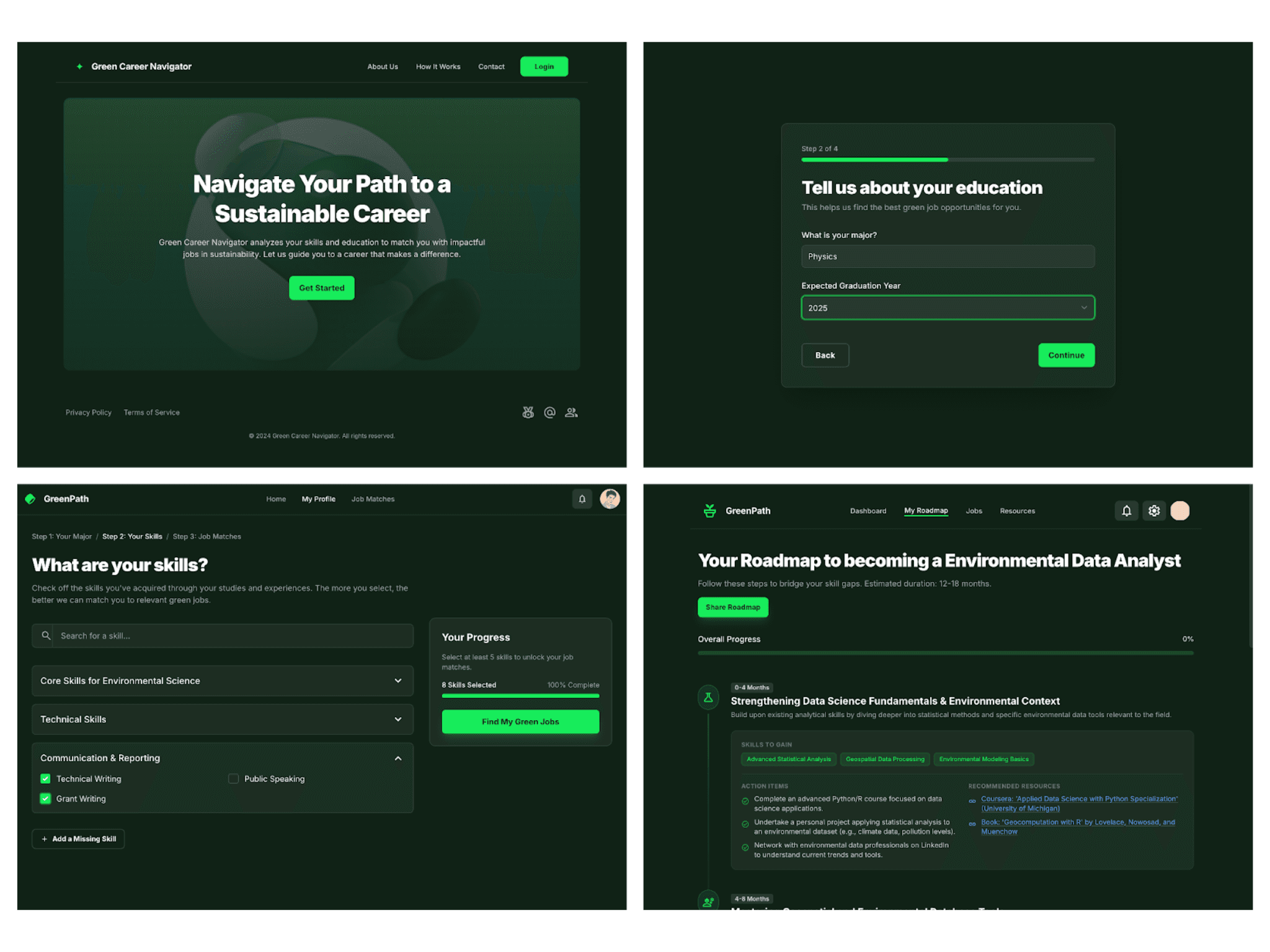
Eco Careers (Team SDG 4): A personalized web-based career mapping service addressing the "Green Skills Gap." It features an AI Mentor that identifies transferable skills and proposes alternatives to traditional CVs, helping youth navigate the 2.5 million additional green jobs expected by 2030 while strictly prohibiting the use of personal data for hiring decisions.
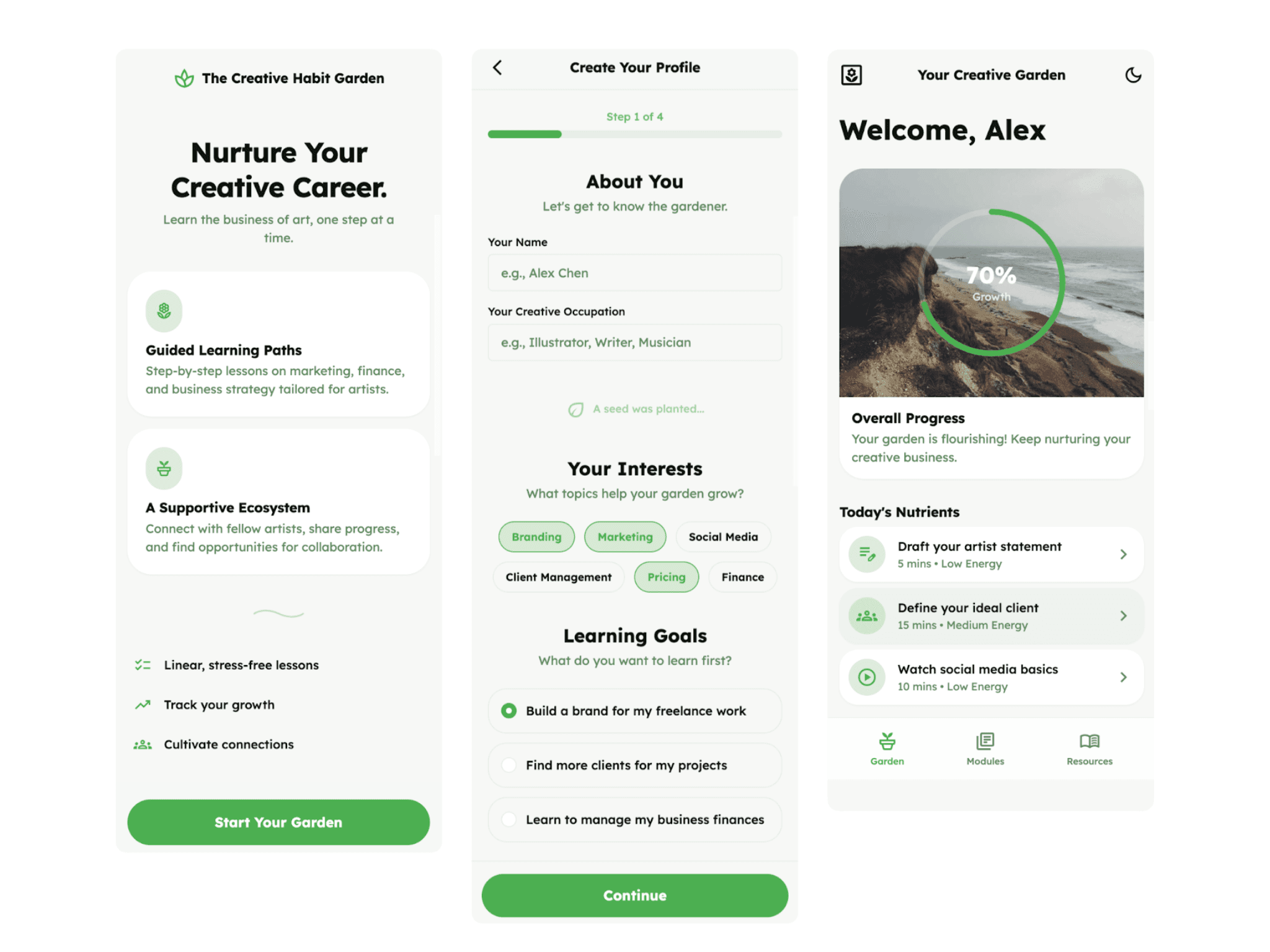
Creative Habit Garden (Team SDG 8): A community and education platform focused on the economic empowerment of independent young artists in the UK. The AI serves a governance function to secure digital ownership and intellectual property (IP) rights, challenging the systemic exploitation of creators by third-party platforms and ensuring artists maintain control over their peer-to-peer art.
Ladder (Team SDG 10): A platform for community connectivity and skill development addressing "Digital Poverty" and regional social isolation. Using an AI Matching Engine to create integrated toolkits, it builds digital competence for underserved households without the economic risk of inequitable hardware access, while enforcing strict anonymity and consent protocols for all shared data.
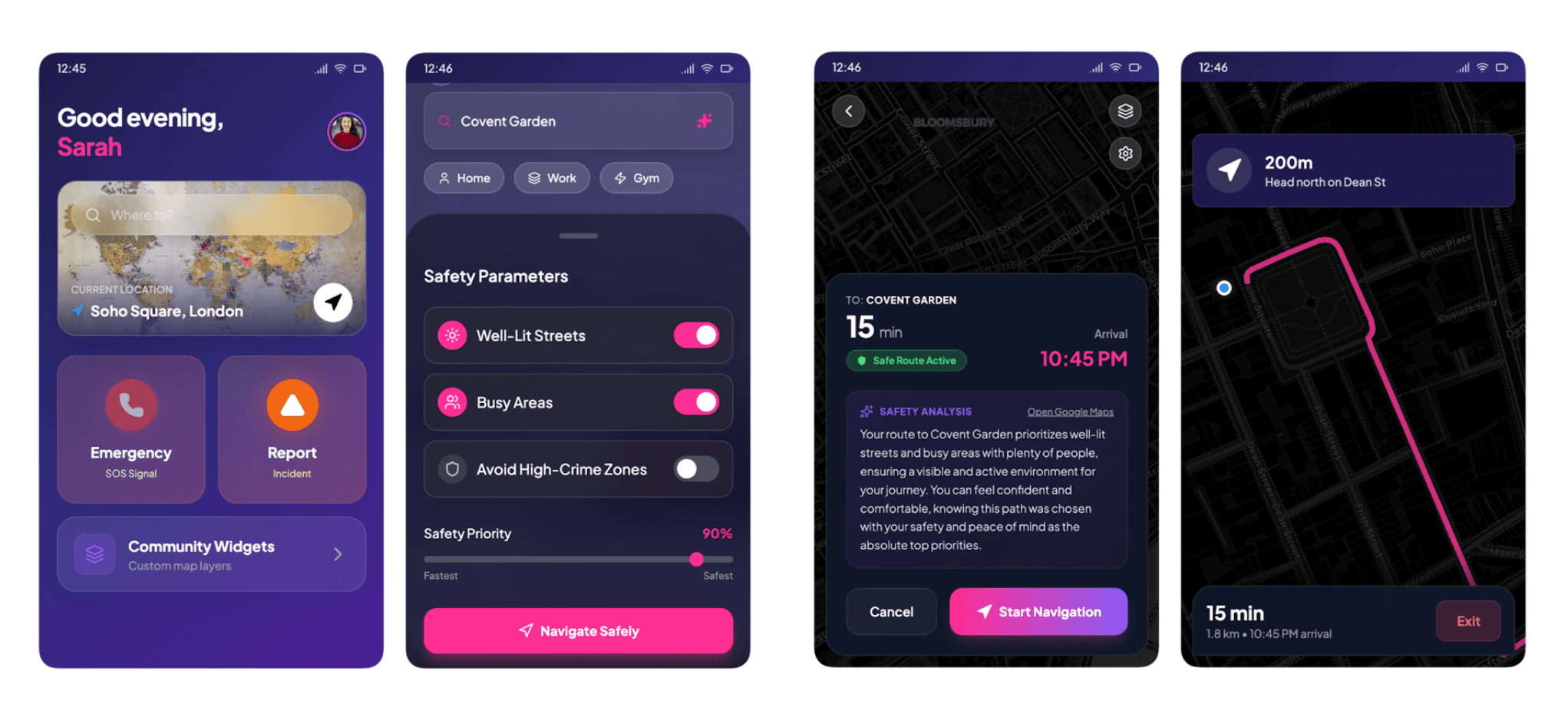
Safe Mapper (Team SDG 11): An ethical route planner addressing urban harassment and safety concerns in UK cities. Challenging the "speed over safety" bias, the AI uses simple, user-defined parameters to dynamically calculate the safest path while relying on locally processed data to ensure the highest level of user privacy.
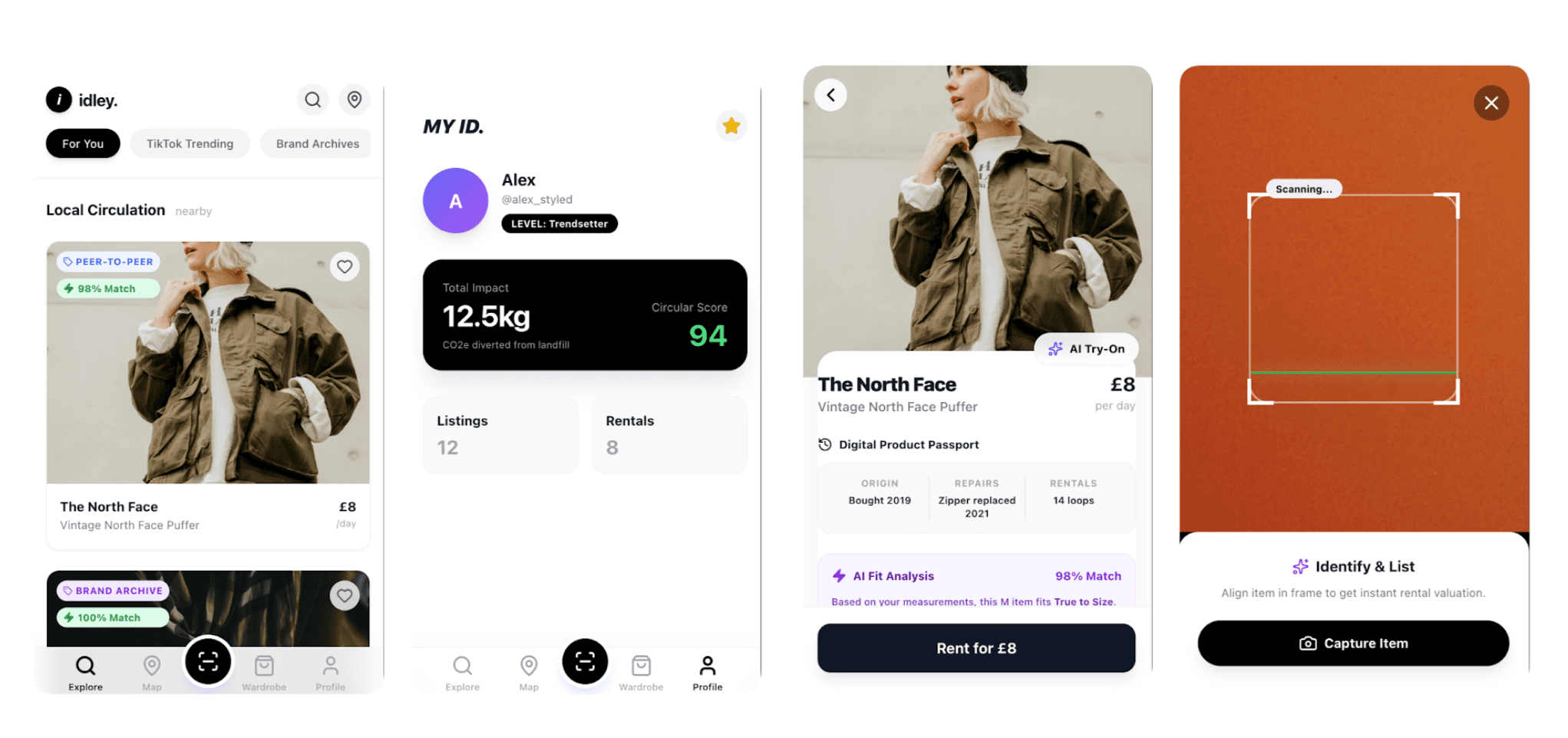
Idley (Team SDG 12): A circular fashion rental app designed to address the 300,000 tonnes of clothing sent to UK landfills annually. Utilizing AI Computer Vision for automated categorization and size-fit checking, the platform fights "The Scissors Trap" (rebound effects) by implementing a strict ethical guardrail that limits rental cycles to stay below carbon footprint thresholds.
Results
Impact & Strategic Outcomes
The GDCF Basecamp demonstrated that removing the coding barrier—when anchored in ethics—accelerates social innovation.
Workforce Readiness: 100% of participants shifted from "Passive Learners/AI Users" to "Wise ChangeMakers," gaining proficiency in the Google Ecosystem (Gemini, AI Studio) and mastering the art of AI collaboration.
Tangible Innovation: 6 high-fidelity, functional AI-powered prototypes were produced, addressing local community challenges across Google Data Center regions.
Institutional Success: The fellowship successfully bridged the gap between the historic wisdom of the RSA and the future-forward technology of Google.
Scalability: This event served as the successful first prototype of a highly scalable model. With the pilot phase completed and comprehensively reported, current efforts are focused on replicating and scaling this framework to amplify its global social impact.
Participation Survey & Feedback:
Program Impact Score: Participants rated the overall event 9.1/10.
Quality of Facilitation: The HCD+ methodology and facilitation received a high score of 9.3/10.
Key Testimonials:
"AI was fun and a nice structured way to work on it. The pitches were great and it was nice to see such diverse solutions."
"Loved the collaborative aspect and the focus on humanity-centered design. It made AI feel accessible and ethical."
"This sprint helped me bridge the gap between a vague idea and a functional prototype in just hours. Truly empowering."
Final Reflection
Creativity has been humanity's superpower for millennia, yet without ethics, it has become our greatest threat, building division and weapons. The world urgently needs a new education that cultivates humans who synthesise knowledge with wisdom. We believe that by humanising innovation and embedding responsibility into every line of prompt and code, we can transform AI from a tool of automation into a vessel for global equity and collective well-being.